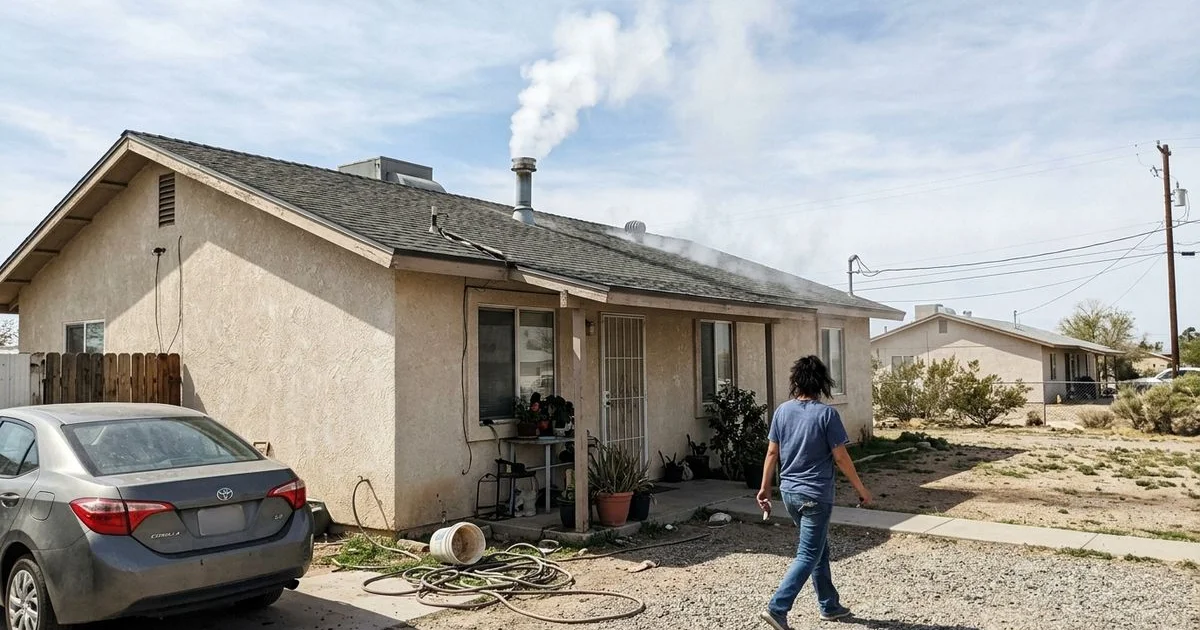
We hear it from Imperial Valley homeowners every single week: that faint, unmistakable smell of rotten eggs lingering in the hallway.
You know how frustrating it is to scrub the bathroom down, only to realize the odor isn’t coming from the surfaces. That specific scent is actually hydrogen sulfide gas.
Our training shows that the human nose detects this gas at levels as low as 0.01 parts per million, making even tiny leaks overpowering. The good news is that a sewer gas smell in house emergencies can be diagnosed with absolute precision. Let’s look at the data, what your pipes are actually telling you, and then explore a few practical ways to respond.
How the system is supposed to work
Most plumbers in this market always check two physical barriers first when performing leak detection and sewer gas diagnostics.
Your drain system is open to the municipal sewer at one end and open to the sky at the other. Two specific components work together to keep hazardous air out of your living space.
Our job is to evaluate these mechanisms.
- Traps: Every fixture has a P-trap, which is that U-bend under the sink holding a permanent water seal.
- Vents: Pipes running up through the roof let fresh air into the system to prevent traps from siphoning dry.
We know that when you notice a rotten egg smell house issue, one of these protections has failed.
The smell is simply a symptom of that mechanical failure. Finding the exact point of failure is a straightforward process.
The four common sources
The plumber regularly encounter four specific failure points in local residential plumbing.
Finding the exact culprit depends on the age of your property and the specific fixtures involved. Let’s examine the most frequent offenders.
A Dry P-Trap
This issue comes up constantly during the intense heat of an Imperial Valley summer.
A trap that has not been used in weeks simply evaporates. This leaves an open airway straight down to the municipal sewer line.
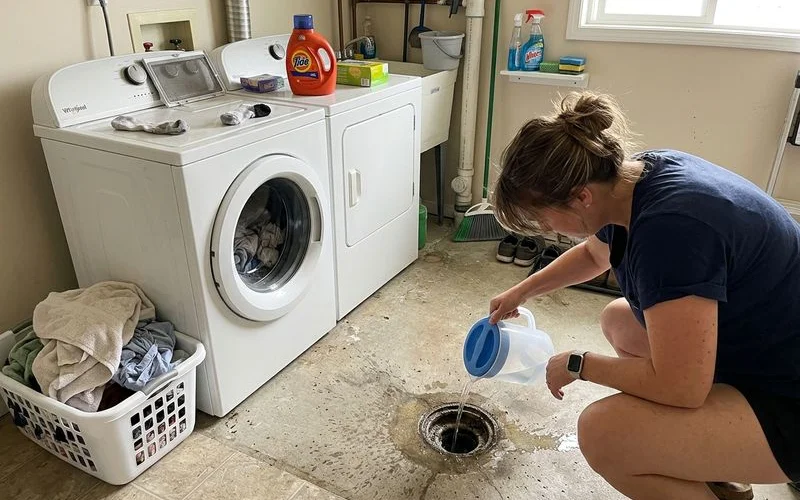
Our quickest fix is pouring a couple of quarts of water into rarely used floor drains, guest tubs, and garage sinks.
Giving the water a full day to settle restores the physical seal. This simple action eliminates the odor completely in many cases.
A Missing P-Trap
We find this oversight more frequently in newer construction than most people expect.
A trap gets skipped during the initial build, and nobody catches it during the final inspection. The house then features an open drain line venting into a room from day one.
This pattern appears regularly in newer subdivisions, where the problem masquerades as a mysterious sewer smell no leak situation.
Adding the missing component requires cutting into the wall or floor. It immediately resolves the persistent odor once installed.
An Unsealed Vent Penetration
We also look closely at where a vent pipe passes through a wall or ceiling cavity.
The PVC connection can be poorly glued, or a fitting can develop a hairline crack over time. Gas escapes directly into the wall cavity and eventually finds its way into the living space.
Our testing reveals that nothing is visible to the naked eye.
The odor often fluctuates based on indoor air pressure and daily temperature changes. Running the HVAC system can sometimes pull this trapped gas out of the walls.
A Failed Toilet Seal
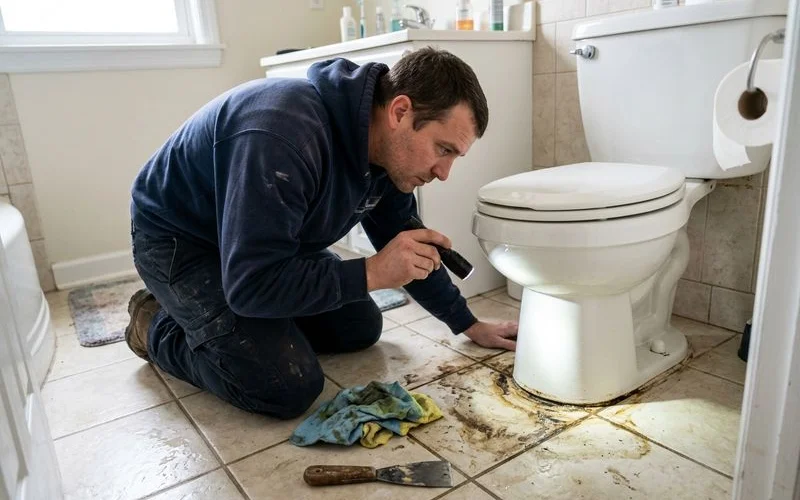
We replace dozens of wax rings every month because they are a highly vulnerable failure point.
The wax ring between the toilet base and the flange typically lasts 15 to 20 years under normal conditions. It dries out, gets crushed, or breaks instantly if the toilet rocks on uneven flooring.
We often find that gas escapes at the floor line along with a slow water leak.
This quiet seepage causes severe water damage to the wooden subfloor over time. A wobbly toilet bowl is a guaranteed sign that this seal is compromised.
Less Common But Real Issues
We occasionally uncover a cracked cast iron drain line hidden inside a wall or under a concrete slab.
Another hidden culprit is an improperly installed or defective air admittance valve under a kitchen island sink. These mechanical valves, permitted under the International Residential Code, typically fail after 20 years as their rubber seals degrade.
Why newer homes get this
The plumber have documented a distinct pattern across different local neighborhoods.
Older El Centro homes tend to experience sewer odor stemming from natural material deterioration. Common issues include cracked cast iron pipes, failing joints, and crushed underground laterals.
We cover those specific symptoms in our comprehensive guide on identifying a broken sewer pipe under a slab.
Newer subdivisions on the edges of the valley often face the exact opposite root cause. The modern PVC or ABS plastic piping itself is perfectly fine.
| Property Age | Common Pipe Material | Primary Cause of Gas Odor |
|---|---|---|
| Pre-1980s Homes | Cast Iron / Clay | Corrosion, root intrusion, cracked laterals |
| Post-2000s Homes | PVC / ABS Plastic | Missing P-traps, unsealed vent joints, bad valves |
Our inspections usually reveal that a crucial seal was simply skipped during the rush of initial construction.
These defects can sit undetected for years. The resulting smell is highly intermittent and easy to dismiss.
Intermittent does not mean minor
A smell that comes and goes usually means an escape point that depends on pressure differences, wind, HVAC running, or a door opening. It is not a smaller problem than a constant smell. It is the same problem with variable conditions.
Smoke testing: how we find it
We rely on professional-grade equipment, like the Superior 5-E Smoke Blower, to pressurize the system.
This machine pushes a specialized, non-toxic liquid smoke into the drain and vent network. The thick white fog fills the entire plumbing infrastructure, including every drain line, vent, and trap arm.
We watch closely for smoke emerging from specific failure points:
- Around a loose toilet base where the wax ring has failed.
- Out of a dry P-trap that lost its water seal.
We also look for fog escaping through a tiny gap in a wall where a vent penetration was never glued.
Verifying that fog is rising from the roof vent stacks confirms the system is properly pressurized for an accurate test. This modern approach turns a frustrating process-of-elimination search into a direct visual observation.
We save clients hundreds of dollars because the exact escape point is visible in one visit, preventing unnecessary drywall demolition.
What to do before we get there
We always advise homeowners to take a few free, immediate steps before booking a service call.
You can resolve many issues simply by checking the most obvious failure points yourself. Try this simple checklist:
- We find that pouring a gallon of water into rarely used drains fixes nearly 30 percent of these issues.
- Giving the water a full 24 hours to settle will show you if the seal is successfully restored.
- Taking careful notes on when the smell is strongest also speeds up the diagnostic process.
We need to know if the odor spikes in the mornings, when the HVAC kicks on, or specifically after a long shower.
Check whether any toilet in the house rocks or shifts when you sit on it. Movement instantly breaks the protective wax ring underneath, requiring immediate replacement.
We strongly suggest you ventilate the area and call a professional to schedule an inspection if a rocking toilet is paired with a foul odor.
Prolonged exposure to high concentrations of hydrogen sulfide can cause mild headaches and nausea. It is a completely solvable problem, and locating the source is rarely an expensive process once the escape point is found. Our El Centro plumbing team answers the line at any hour if the smell is getting worse.